
Matt Doll, Minnesota Environmental Partnership
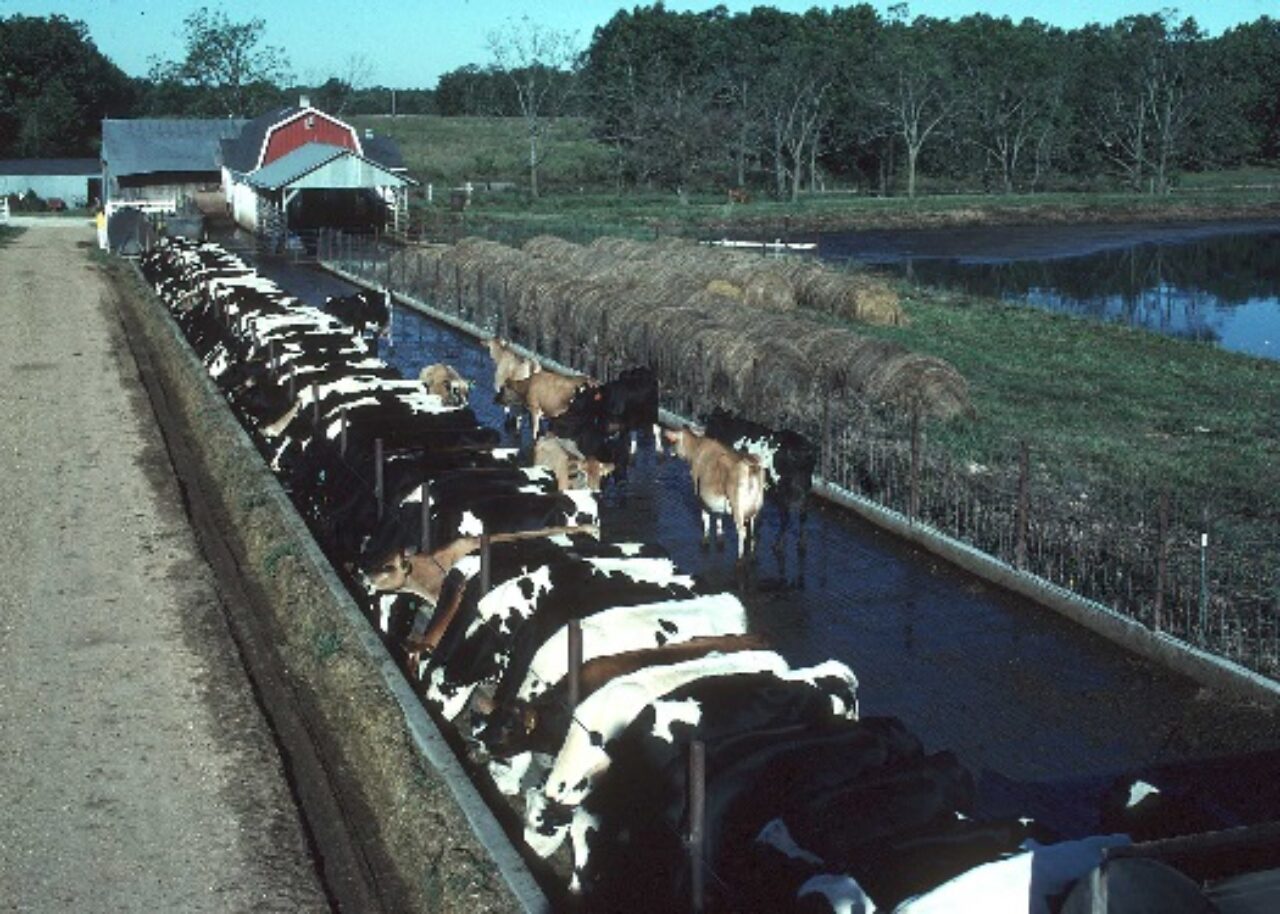
Minnesota agricultural giant Riverview is planning to build the largest dairy feedlot in the state at its existing facility on the outskirts of Morris. If constructed, it would hold up to 18,885 cows, more than twice the current number at the site along the Pomme de Terre River.
After a comment period lasting several months and drawing more than 1400 comments, the Minnesota Pollution Control Agency (MPCA) has decided not to require an Environmental Impact Statement (EIS) – a full environmental review of the project – for Riverview’s unprecedented expansion.
Despite the project’s need for hundreds of millions of gallons of water consumption and 250 million gallons of manure storage, the MPCA has determined that “there are no potential significant environmental effects reasonably expected to occur from the proposed West River Dairy Feedlot Expansion Project.”
The MPCA’s decision – contrary to sound science and the agency’s mandate to protect and improve the environment and human health – is shocking, but not surprising. The MPCA made almost exactly the same decision in the case of the Daley Farms expansion, which would have expanded a dairy feedlot in Winona County by 170%.
Winona County is in the heart of Minnesota’s Driftless Region, where Karst geology makes groundwater especially vulnerable to pollution from Big Ag, and where nitrate contamination runs rampant and endangers human health. Manure from feedlots, which is frequently applied to crops like corn and soybeans, is among the largest contributors to nitrate pollution in Minnesota. The MPCA is taking some steps to reduce nitrate in groundwater, but we’ve argued that they do not go far enough.
In the Daley case, the agency ordered an Environmental Assessment Worksheet, gathered comments, then decided that an EIS would not be required. After MEP member Minnesota Center for Environmental Advocacy sued the MPCA, the appeals court ruled that the MPCA’s decision was “arbitrary and capricious,” and that the agency had to conduct an EIS.
The MPCA’s recurring failure to hold Big Ag and other big polluters accountable is part of the impetus behind People Not Polluters, the campaign against regulatory capture led by MEP and other environmental groups. The state’s failure to protect Minnesotans from nitrate was among the focus topics of the first-ever Minnesota Senate committee hearing on the problem, held in April.
As we’ve seen with other cases, the MPCA’s misguided decision on Riverview is not the final word on the project. The feedlot must still secure local permits, and MEP member Land Stewardship Project will continue their important work to ensure that resident voices are heard and local water is protected.