
Matt Doll, Minnesota Environmental Partnership
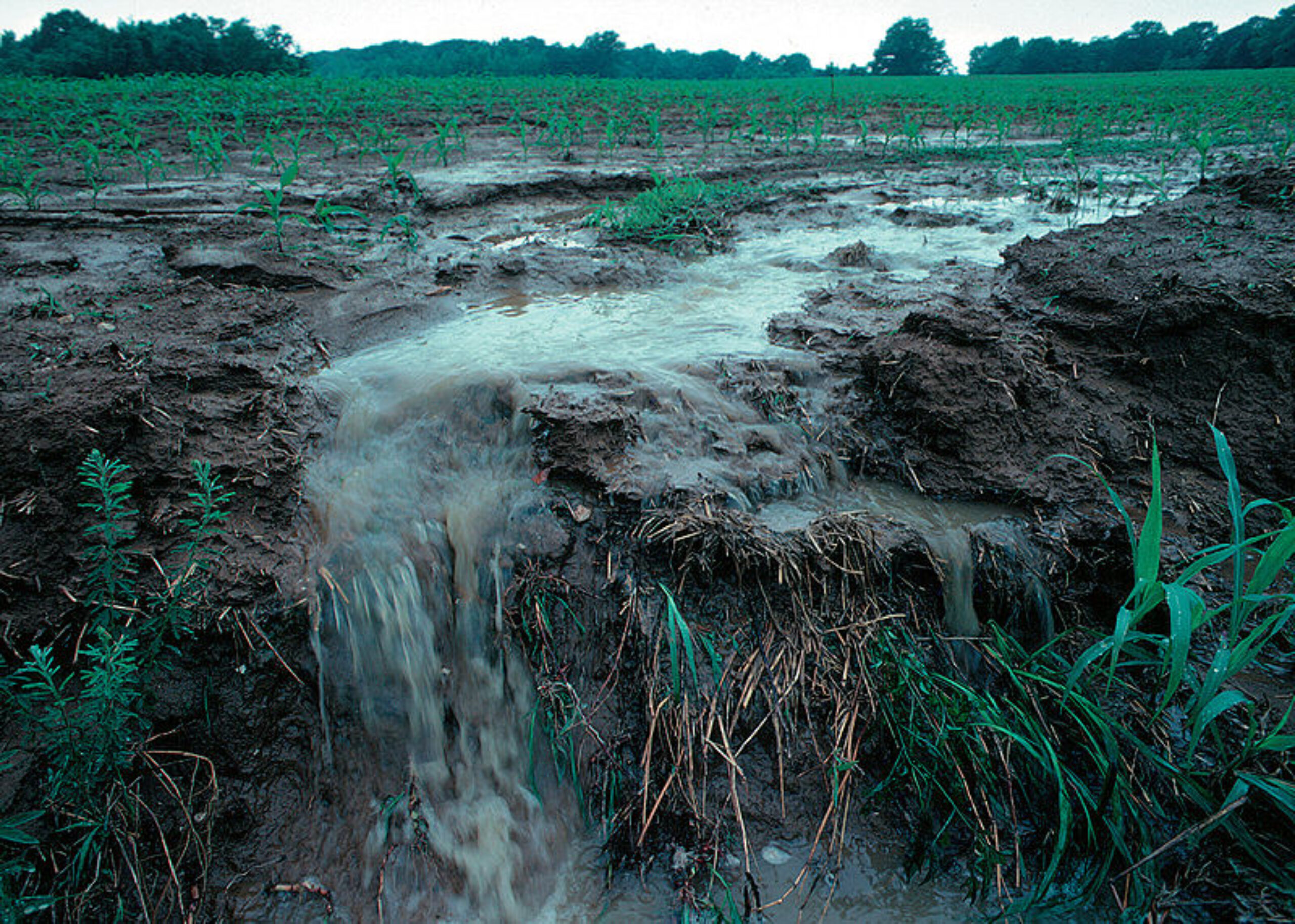
The Land of 10,000 Lakes is, sadly, not yet a state where every resident has safe water to drink. In some areas, like large swaths of the Southeast, Minnesotans who get their water from wells risk consuming harmful levels of nitrate. That nitrate overwhelmingly comes from nitrogen fertilizer running off of fields and infiltrating groundwater.
That’s why the Legislature passed the Groundwater Protection Act, setting a state goal that “groundwater be maintained in its natural condition, free from any degradation caused by human activities.”
But it’s been 37 years since the Groundwater Protection Act became law, and nitrate contamination of our groundwater has only gotten worse.
Monitoring data show that 28% of wells exceed the 10 mg/L of nitrate in Southeast Minnesota. In that region, with its ubiquitous row crop farms and livestock feeding operations, the underground karst geology makes groundwater especially vulnerable to nitrate contamination.
The threat has gotten so alarming that several environmental organizations petitioned the U.S. Environmental Protection Agency (EPA) in 2023 to take action on Southeast Minnesota’s nitrate problem. The EPA agreed, and told Minnesota state agencies that they needed to ramp up action to protect Minnesotans’ health and clean water in the Southeast. Some groups have since sued the Minnesota Department of Agriculture and Minnesota Pollution Control Agency in the hopes of leading them to enact stronger protections for groundwater against nitrate.
Why haven’t we been making progress? The problem is that agencies have long relied on half-measures wholly inadequate to the scale of this crisis. They’ve focused on promoting voluntary Best Management Practices, or BMPs, for nitrogen fertilizer use. BMPs are intended to reduce nitrate use to the extent that it maximizes profit; they are not a solution to widespread runoff and infiltration.
As part of its effort to better address groundwater pollution, the Minnesota Department of Agriculture (MDA) recently held a comment period on its Groundwater Protection Rule, seeking to identify ways it could be improved. MEP, along with other environmental groups, submitted a letter urging the MDA to fix problems with the current rule.
In our letter, we asked the MDA to use current science and technology to model the impact of different strategies to reduce nitrate pollution, then implement the strategies. Right now, the rule relies on outdated techniques like BMPs in the anticipation that the impacts of those techniques will be reassessed in the future. But Minnesotans have already waited decades for nitrate relief. Science can forecast what will and won’t work, and we should use it to craft our strategy.
Instead of putting all our eggs in the basket of BMPs, Minnesota should push for Alternative Management Practices, or AMPs. This includes tools like cover crops and perennials in vulnerable groundwater areas, both of which can significantly reduce runoff and reduce the need for inputs like nitrogen fertilizer.
The rule should also be more protective of Minnesotans who don’t live in cities. Currently, the rule is most protective of community water systems, but residents of rural townships with private wells don’t get the same treatment.
Above all, the state needs to move swiftly on nitrate. Minnesotans with nitrate in their wells are exposed to greater risks of cancer, birth defects, and other dangerous conditions. The Groundwater Protection Rule must reduce timelines and administrative delays that slow down action.
We’ve been encouraged by steps the state has taken to address this challenge, such as the draft Nutrient Reduction Strategy aimed at curbing nitrogen and phosphorus. Now we need the Groundwater Protection Rule to live up to the promise that lawmakers made 37 years ago. Minnesotans can’t wait another three and a half decades or more for cleaner drinking water.