
Matt Doll, Minnesota Environmental Partnership
Most of our readers will know at this point that in order to prevent the worst impacts of climate change and mitigate its harms to people and planet, “electrification” is the most important word in our vocabulary. The sooner we shift transportation, heating, and industry to electric sources and generate that electricity with clean power, the healthier our future will be.
But what happens when a massive new customer comes knocking on our door, looking to plug into our electrical grid?
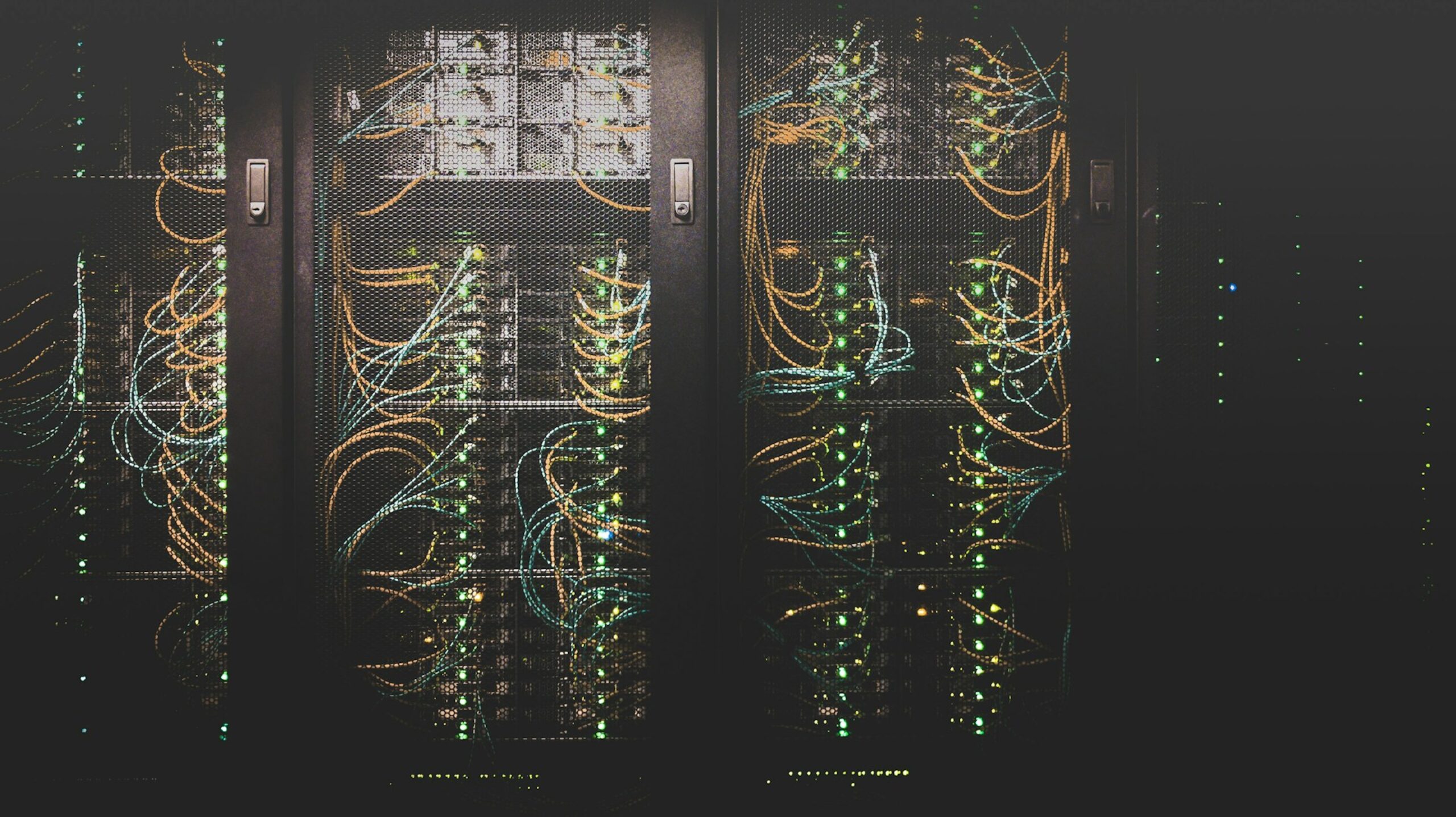
Minnesota is staring down an unprecedented surge in hyperscale data center proposals, fueled by the push by many corporations for more use of artificial intelligence software. These facilities are gluttons for electricity for processing and cooling, so much so that if all planned data centers in Minnesota were built, they would exceed the electricity use of every household in the state combined. Even if we made our homes and buildings more efficient, we couldn’t easily make up for all that new electricity demand. What we’re getting out of it – AI tools of vastly differing value – may not be worth the cost.
Some data centers also consume vast quantities of water for cooling their servers. That’s not necessarily inevitable – some companies plan to use forced-air cooling instead – but it’s a big concern for many communities, especially given Minnesota’s already strained and polluted aquifers.
As we wrote in November, organizations and communities across the state are pushing back firmly against rolling out the red carpet for data centers. The opposition centers in part around the nondisclosure agreements (NDAs) that some community leaders have signed with tech companies to learn technical details about their proposals. Minnesotans, with our strong tradition of civic participation, don’t like being kept in the dark. Other concerns include groundwater use in server cooling, noise and light pollution, habitat destruction, and the aforementioned energy consumption.
On the other side, data centers have significant backing, and not just from big tech. Some local government units see them as a reliable source of property tax revenue. Several labor unions in Minnesota are staunchly against any new regulations on data centers due to the construction jobs they bring (though each center generates very few permanent jobs.)
Last year, these differing viewpoints resulted in a compromise bill that introduced certain new water, energy, and labor requirements for hyperscale data centers in exchange for tax break extensions. That bill passed the Legislature with bipartisan support and bipartisan opposition. Some opponents in the Legislature argued that it gave too much leeway to Big Tech; others said it was insufficiently supportive of the industry.
MEP’s position is that hyperscale data center development is coming too fast and furious for Minnesota’s existing environmental protections, and that the state should implement a temporary, two-year moratorium to allow the impacts of these centers to be studied and our laws updated as needed to respond to their very real threats to our communities and natural resources. .
In the long-run, we support requiring data centers to obtain special permits, including independent water permits (rather than simply piggybacking on municipal water systems), and conduct Environmental Impact Statements. We also advocate for additional energy protections to ensure our 100% carbon-free energy by 2040 goal is not jeopardized and ratepayers do not suffer from cost hikes. We want additional considerations for communities, including tribal lands where data centers are sited. And we oppose the use of NDAs for data center development – residents should be fully aware of the projects proposed in their communities and their environmental costs.
In this important election year, we hope that Minnesotans concerned about these data centers will demand action from candidates on both sides of the aisle. This industry is unlike any Minnesota has ever seen, and if we get our response wrong, our climate, energy grid, water, and communities will pay a heavy price.