
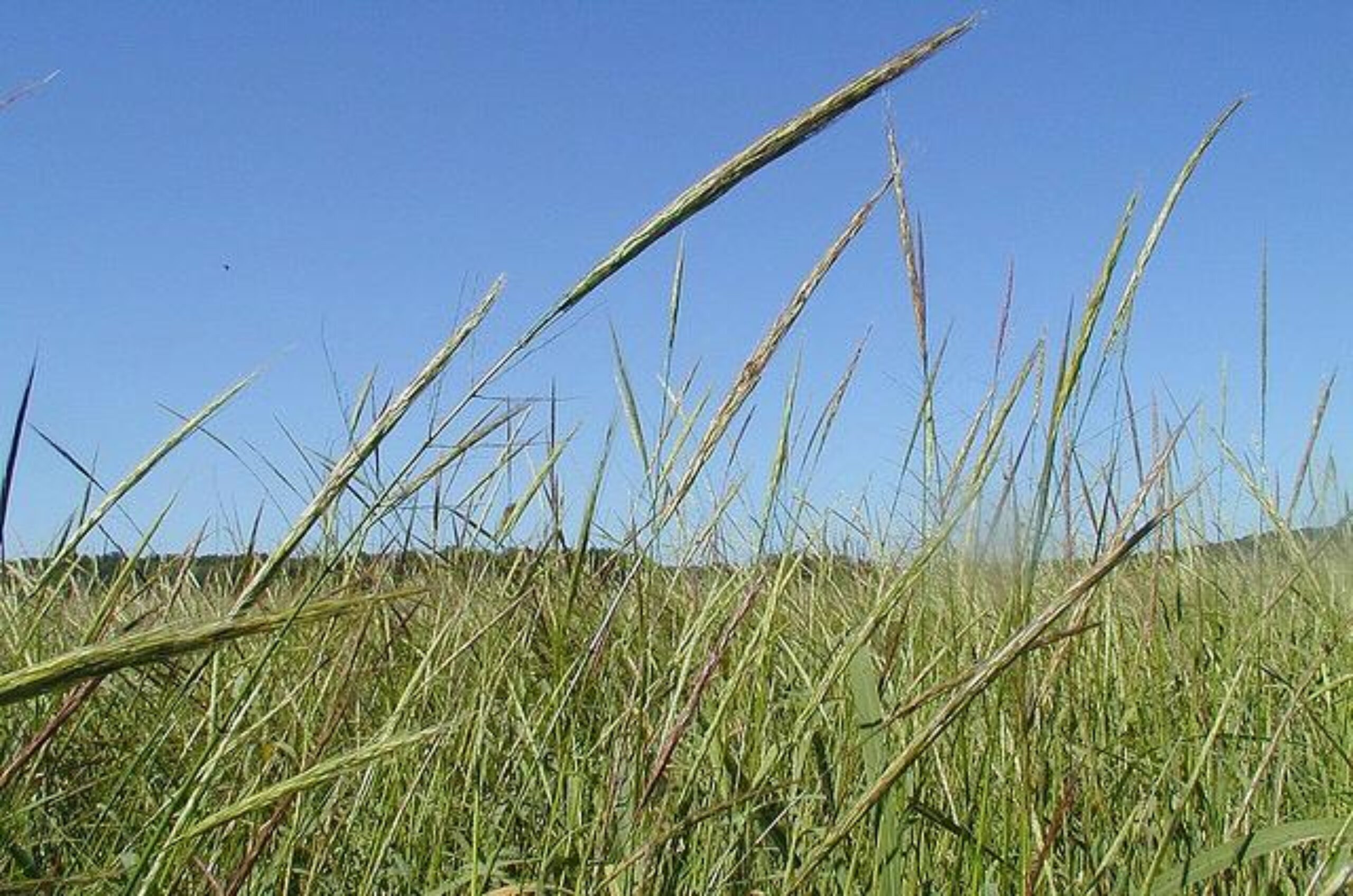
Northern Minnesota’s iconic waters have seen better days. Once home to vast wild rice beds and healthy fish, many of the Northland’s lakes, streams, and wetlands have become contaminated via mining waste with mercury and sulfate, a combination of chemicals that kills wild rice, makes fish unsafe to eat, and threatens human health.
The good news: the Minnesota Pollution Control Agency (MPCA) is stepping up to help solve this problem. They’re working to enforce long-dormant protections against sulfate in wild rice waters and require mining companies to treat their waste to comply.
The bad news: the mining industry is pushing back. U.S. Steel (recently purchased by Japan’s Nippon Steel) is pressuring the MPCA to grant an exemption from the rule for the Keetac mining facility in Itasca County, arguing that it would be too expensive to comply with it. This is especially ironic now that Nippon Steel has recently committed to invest $11 billion in upgrades to U.S. Steel over the next 3 years.
If this exemption is granted, it would increase pollution into Hay Creek and waters downstream and could open the door to similar carve-outs for other mines. The MPCA has preliminarily said “no” to U.S. Steel’s request, but we need them to stick to their decision, and improve the draft permit for Keetac. Newly-purchased U.S. Steel should be setting a new, higher standard for the industry going forward and not continue damaging our water and wild rice.
How you can help: The MPCA is currently taking public comments on the draft permit and its preliminary denial of U.S. Steel’s request for more pollution. The agency will hold a public meeting on September 3 in Virginia.
What: Informational meeting on Keetac’s permits and variance request
Where: Iron Trail Motors Event Center, 919 6th St S, Virginia, MN 55792
When: September 3, 2025, 6 – 8:30 p.m.
Your comments – in-person or online – can help steer the MPCA to stick to their decision not to give U.S. Steel a carve-out. You can also ask them to:
- Reduce the wait time before U.S. Steel complies with the sulfate standard
- Require monitoring and protection of groundwater
- Conduct testing as soon as the permit is issued to make sure that Keetac’s waste isn’t toxic to fish and other aquatic life
Learn more about this issue from our friends at WaterLegacy
Together, we can start a healthy new chapter in the history of Northern Minnesota’s waters, wildlife, and wild rice.