
Matt Doll, Minnesota Environmental Partnership
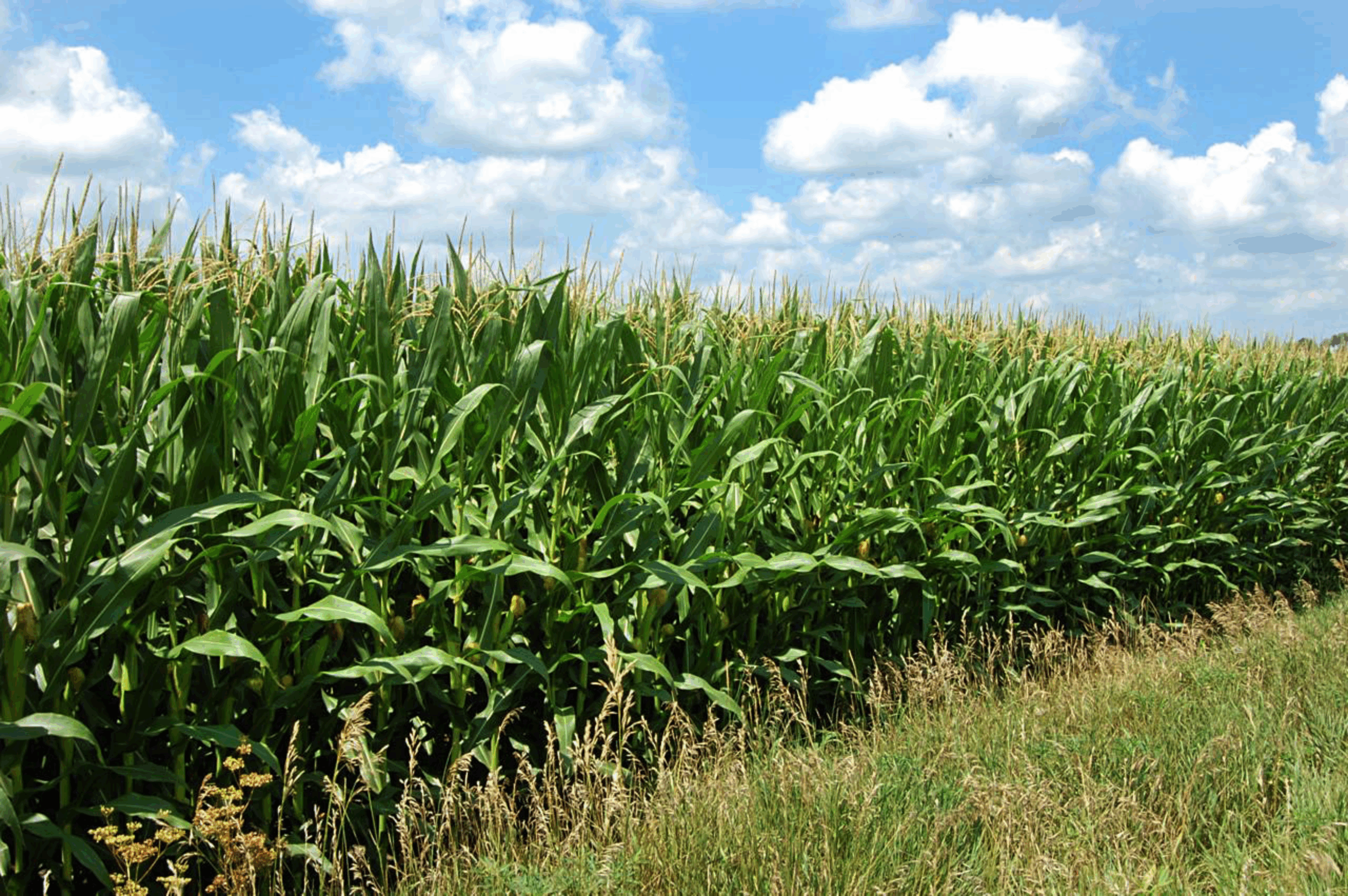
Home to the headwaters of three great watersheds, Minnesota is a place where everything that enters our lakes and rivers makes a big impact downstream. Our waters flow to the Gulf of Mexico, the Great Lakes, and Lake Winnipeg, carrying an unwelcome passenger: nutrient pollution – nitrogen and phosphorus, to be precise. Most of it comes from fertilizer that runs off of farm fields or from manure from feedlots, and wastewater is an additional source.
Minnesota is not the only state contributing to this pollution, of course, but as the nation’s fifth-largest agricultural economy, what we do here has a tremendous effect. Our nutrient runoff, carried south by the Mississippi and north by the Red River, contributes heavily to the annual dead zone in the Gulf of Mexico and to similar effects in Lake Winnipeg.
Even if we choose to be a less than neighborly state and ignore what we’re sending downstream, we can’t ignore the big problems caused by nitrogen and phosphorus pollution right here at home. Both nitrogen and phosphorus contribute to toxic algal blooms all around the state. Nitrogen pollution of drinking water in the form of nitrate is putting the health of thousands of people at risk in southeastern Minnesota and other communities. The problem in the Southeast has gotten so bad that the EPA stepped in to tell the state to take urgent action to protect drinking water quality, though area Congressman Brad Finstad recently asked the EPA to revoke that decision, arguing that the agriculture sector is doing enough about the problem.
Since 2014, the Minnesota Pollution Control Agency (MPCA) has worked to implement a Nutrient Reduction Strategy (NRS) to alleviate the thorny problem. The results so far have been mixed: while many waters have seen reductions in nutrient pollution, others have experienced either no improvement or worsening runoff.
So far, when it comes to agricultural runoff, the strategy has focused on advancing best management practices (BMPs) for fertilizer use and cropping practices. That’s led to some improvements, but not the large ones we need – illustrative of this point is that the nitrogen load in the Mississippi River near Iowa has only fallen about 6% since the 1996 baseline. The MPCA’s goal is to reduce that by 45%, which is not realistic without new, much more effective measures.
Fortunately, the MPCA is proposing an updated strategy that includes a focus that MEP and our members have advocated for years: bringing continuous living cover (CLC) crops to the land at large scale across the state. The proposed plan is complex, and we’ll continue to analyze and respond to it, but we’re deeply encouraged by the emphasis on CLCs.
To quote the MPCA’s own publication on the update, “Nitrogen reduction goals cannot be achieved without transformative changes in crop system rotations and maintaining living cover for more months each year.”
Science has told us for years that CLC crops are good for water quality. They enable roots and greenery to be maintained on a landscape all year-round, not just during the summer-autumn growing season of corn and soybeans. This enables the soil to absorb more water and return it to the air, rather than to our lakes, rivers and streams. In turn, this keeps nutrients from being flushed downstream or into vital aquifers and wasted. In effect, CLC crops mimic many of the ecosystem services provided by naturally occurring prairies.
What’s more, thanks to agricultural scientists like those at the University of Minnesota’s Forever Green Initiative, CLC crops have been bred to be both environmentally friendly and profitable. Perennials like intermediate wheatgrass – also known as Kernza® – can be harvested for grain or animal feed. Winter annuals like pennycress and camelina can be harvested for oil that can then be used to make food, bioplastics, and jet fuel.
We applaud the MPCA for heavily promoting CLCs in this updated strategy – doing so aligns state strategies with techniques that will get real results. Successfully implementing this part of the strategy will result in cleaner water across Minnesota, healthier Minnesotans, and smaller dead zones in the Gulf and Lake Winnipeg. It can be a useful model for other states to further reduce nutrient waste and clean up their waters.
We encourage our subscribers to comment on the MPCA’s strategy update by the initial deadline of August 28. Make sure they know that Minnesotans agree: business as usual won’t cut it, but continuous living cover will go a long way toward restoring the waters that give us life.