
Matt Doll, Minnesota Environmental Partnership
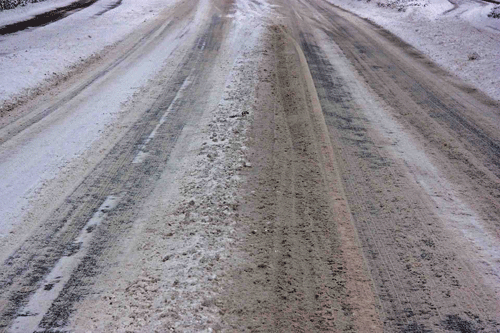
Over the past couple of months, Minnesota’s streets and sidewalks have been clogged with unwelcome coverage of ice (multiple kinds), making getting around less safe for many residents. We need solutions to make our communities safe to navigate, and when it comes to the form of ice we’re used to, our current solutions are bad news for clean water.
Today, dozens of Minnesota waterways are impaired – meaning they’re polluted enough to be considered unfishable, unswimmable, or undrinkable – due to de-icing and water softener salt. Minnesota species including plants, fish, amphibians, and aquatic insects simply aren’t adapted to life in salty waters. For them, too much salt is a death sentence.
It doesn’t take much salt to have this effect either: one dissolved teaspoon of salt can permanently pollute about five gallons of water. The problem is most acute in, but not limited to, the Twin Cities Metro, and it’s getting worse. Once salt makes it into a body of water, there’s no practical way to get it out. The only solution is prevention.
That’s the reasoning behind Winter Salt Week, an annual observance that concluded January 30th. This multi-state event uses education to encourage residents to learn about the effects of salt and what we can do about it. For those interested, Winter Salt Week puts out a highly valuable series of YouTube videos on the topic.
Part of the problem is that we use far more salt than needed to get the job done. Walk down any commercial area or sidewalk in Minnesota, and there’s a good chance you’ll spot a pile of salt on dry pavement, contributing absolutely nothing to making the road safer (though having detrimental effects on shoes.) Many people don’t realize how little salt is actually needed to clear ice. A single grain of salt takes care of about a three-inch diameter circle of ice. A cup’s worth can handle a 20-foot driveway.
Salt also generally doesn’t work when the temperature is under 15 degrees, which means it has had little or no effect in the Twin Cities for most of the past few weeks. In those conditions, putting down sand or chicken grit or using an ice scraper are better options, or simply driving and walking using the proper equipment.
Individuals can make a sizable difference in their own homes, but what about parking lots and other commercial pavement? For businesses that deal with pavement clearing, the Minnesota Pollution Control Agency offers Smart Salting trainings. These sessions aren’t merely environmentally beneficial, but cost-effective: organizations that go through the training report using 30-70% less salt, which saves money and water.
Water softeners, meanwhile, are a less visible (but very impactful) source of our salt woes. The University of Minnesota has a useful resource page for those interested in reducing the impact of water softeners, including in residential buildings. Salt-less water softening systems are on the market that can reduce water hardness with much lighter environmental impacts.
Starting within days, warmer temperatures will start to thaw Minnesota’s frozen roads and walkways. We hope that Minnesotans will consider the health of their beloved lakes and rivers before reaching for a bag of de-icing salt.