Matt Doll, Minnesota Environmental Partnership
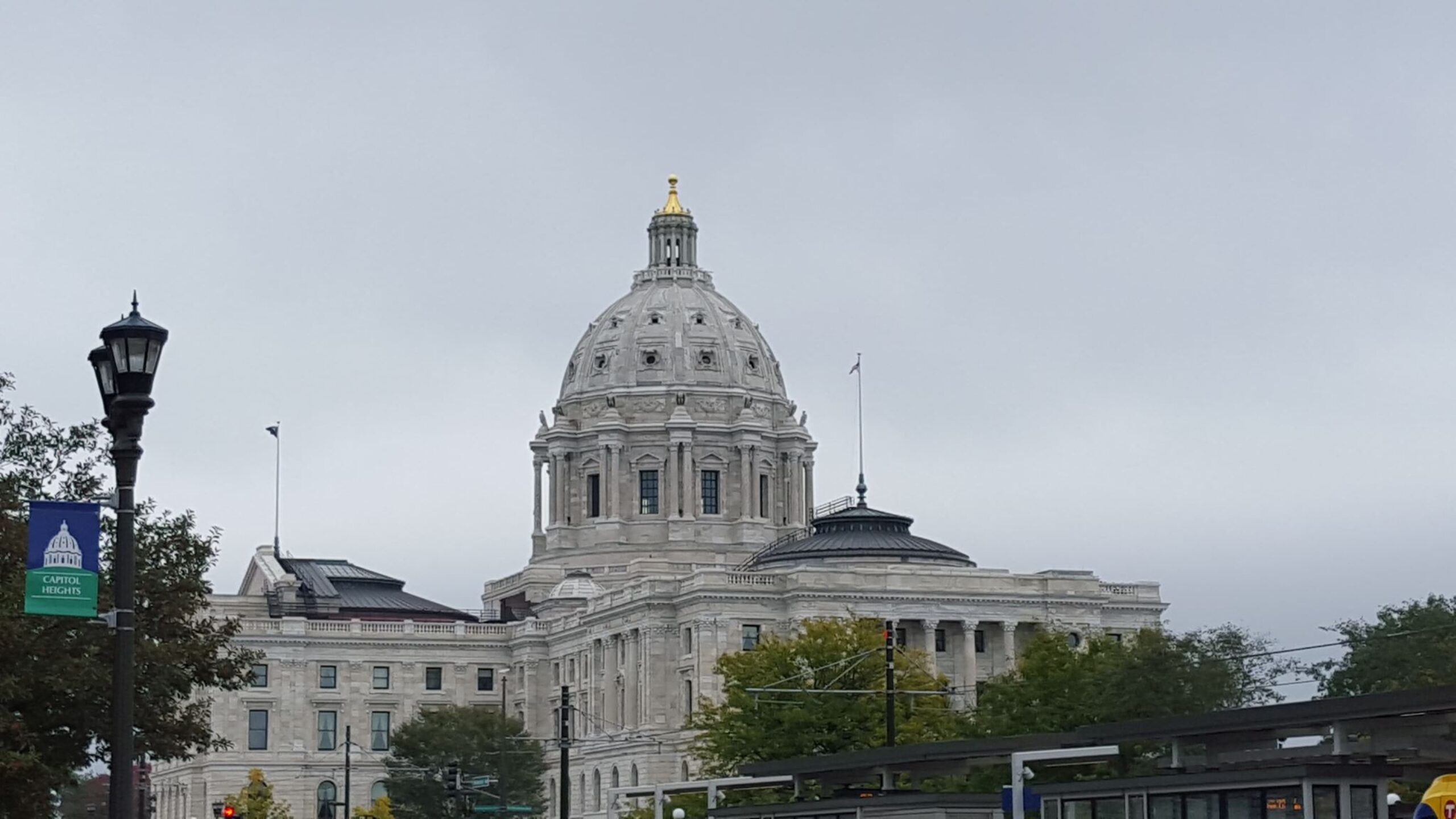
The Minnesota Legislature is set to begin its 2026 legislative session on Tuesday, February 17th. Between the ongoing chaos caused by federal agencies, controversy over the management of state programs to prevent fraud, and the uncertain state of the economy, the House and Senate will have a lot to discuss between now and the session’s mid-May end date.
The Legislature is divided in an election year, with a tied House and a narrowly DFL-controlled Senate. They already passed a two-year compromise budget last year. It’s likely that the session won’t bring landmark legislation.
But that does not mean that the Legislature can’t make progress on environmental issues. We know that Minnesotans overwhelmingly care about protecting and restoring our natural environment, and we have good ideas to do it.
MEP has worked with our member groups to produce the MEP Collaborative Priorities for 2026. This list includes some objectives where our community thinks we can make progress on this session, some that are feasible within a few years, and some that may take longer, but that are important to be part of the public discussion. We expect the following issues from our priorities document to be key during this session:
First we need to make sure that none of Minnesota’s environmental gains from the last few years – and the last few decades – are rolled back. Since 2018 Minnesota has largely held the line against bad policy, but a few harmful provisions have gotten through, including one last year that restricted the eligibility of Minnesotans to petition for an environmental review of a large projects. Some lawmakers have also taken aim at Minnesota’s existing PFAS law, pollution standards for mining, and our clean energy programs. MEP and our allies will work with legislators to push back against these and other rollbacks.
Second, even-numbered years are traditionally “bonding years” for the Legislature, meaning that they will consider passing a bill to use long-term government debt to invest in infrastructure projects and other state assets. We see this as an opportunity to direct funding toward clean water infrastructure, energy efficiency, and restoring Minnesota’s state-owned forests, prairies, and other natural lands.
Third, there are some climate and environment policy priorities that made headway last session but did not become law. One set of proposals would have enabled universal collection of Minnesota’s electronic waste stream, funded by electronics producers. Another aimed to remove barriers to denser, more climate-friendly housing construction in many parts of the state, which would both alleviate the costs of housing for many Minnesotans and reduce transportation emissions. Both issues have gotten bipartisan support, but need more work to move ahead.
Finally, MEP hopes to maintain legislative initiatives that have enjoyed broad support for years. Funding for the University of Minnesota’s Forever Green Initiative, which has the potential to spark major progress for cleaner farming and even sustainable aviation fuel, has typically achieved bipartisan support. So has spending from the Clean Water, Land and Legacy Amendment Funds and the Environmental and Natural Resources Trust Fund (ENRTF), which are constitutionally dedicated to protecting and improving Minnesota’s natural resources. We hope to see the new ENRTF-funded Community Grants program, which gives more local and underrepresented groups access to ENRTF dollars, win full support at the Capitol.
We recognize that many of our other priorities may only be discussed, but not advanced, at the Capitol this year, but we will continue to try. Minnesotans are largely united in the belief that our lands and waters are important to us and worthy of protection. When the Legislature reconvenes, we’ll be bringing that message to every member throughout the session.