All photos in this column credit: Devon Young Cupery
Matt Doll, Minnesota Environmental Partnership
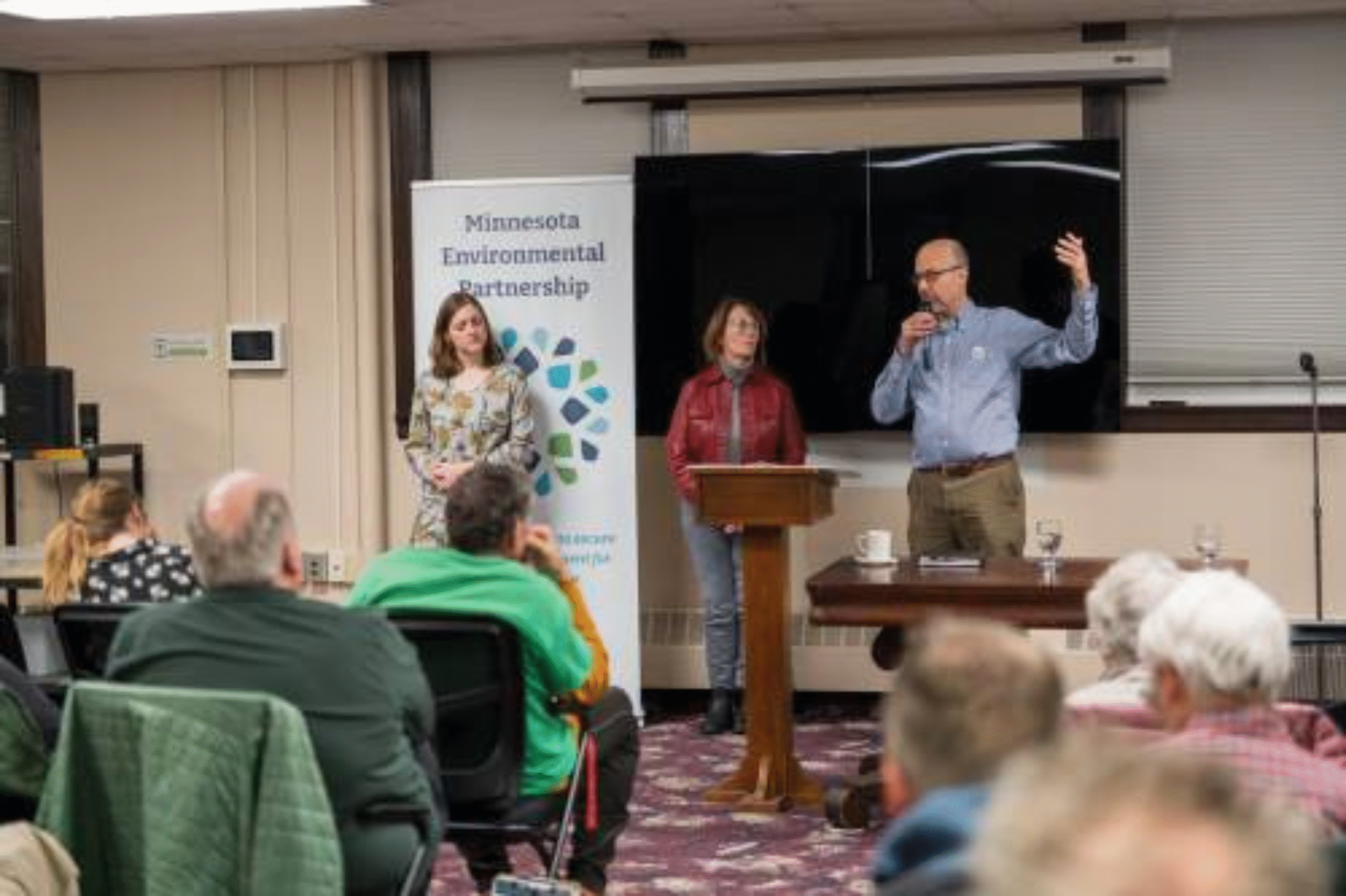
Early this month, 82 Minnesotans gathered on the Carondelet Event Center in Saint Paul to talk with their legislators about environmental issues – and overreach by the federal government – ahead of the 2026 session. The session starts Tuesday, and with it comes an opportunity for progress on the priorities of Minnesota’s environmental community – along with the risk of rollbacks pushed by polluting industries.

MEP worked with organizations including Friends of the Boundary Waters Wilderness, Minnesota Center for Environmental Advocacy (MCEA), MN350, Save the Boundary Waters, and Sierra Club North Star Chapter to host this event – the SD64 Environmental Forum – to give constituents an opportunity for a legislative preview, and give the lawmakers an opportunity to hear what matters to their community. MEP Executive Director Steve Morse emceed the discussion.
The legislators – Senator Erin Murphy, Representative Meg Lugar-Nikolai, and Representative Dave Pinto – are all from Senate District 64 in southwestern Saint Paul. Senator Murphy serves as Majority Leader of the Minnesota Senate, which is controlled 34-33 by the DFL. Rep. Lugar-Nikolai is a newcomer to the House, having won a special election to District 64A last month, and serves on the Energy and Transportation Committees. Rep. Pinto is in his sixth term and co-chairs the Workforce, Labor, and Economic Development Finance and Policy Committee.
SD64 is known as a “hotbed” for environmental and conservation concerns, with a number of residents serving as leaders of MEP member groups. Several leaders posed key questions to the three legislators.
Second, even-numbered years are traditionally “bonding years” for the Legislature, meaning that they will consider passing a bill to use long-term government debt to invest in infrastructure projects and other state assets. We see this as an opportunity to direct funding toward clean water infrastructure, energy efficiency, and restoring Minnesota’s state-owned forests, prairies, and other natural lands.
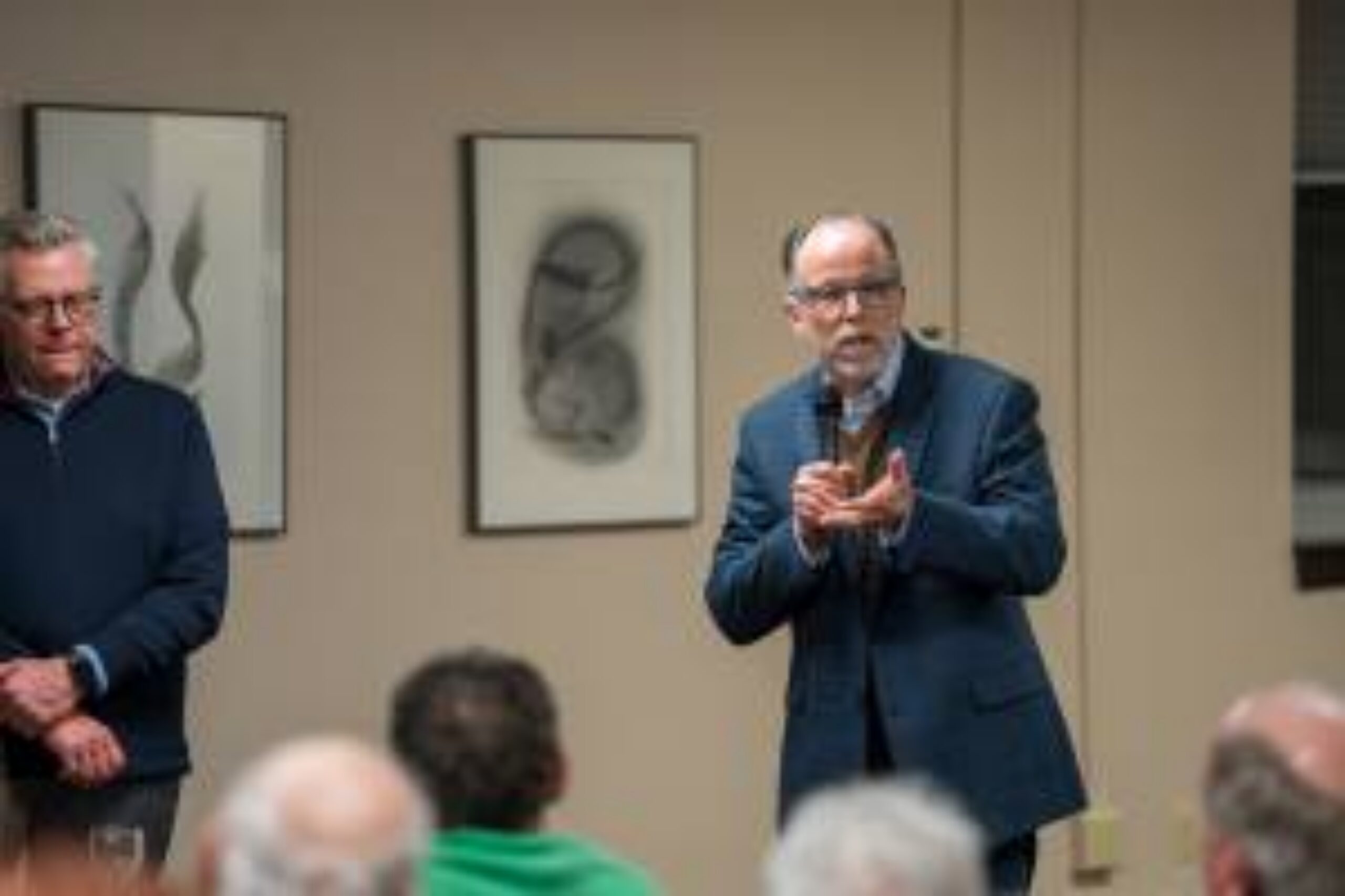
Friends of the Mississippi River Executive Director Whitney Clark asked about how to best clean up Area C, Ford Motor Company’s hazardous waste dump on the Mississippi floodplain in St. Paul.
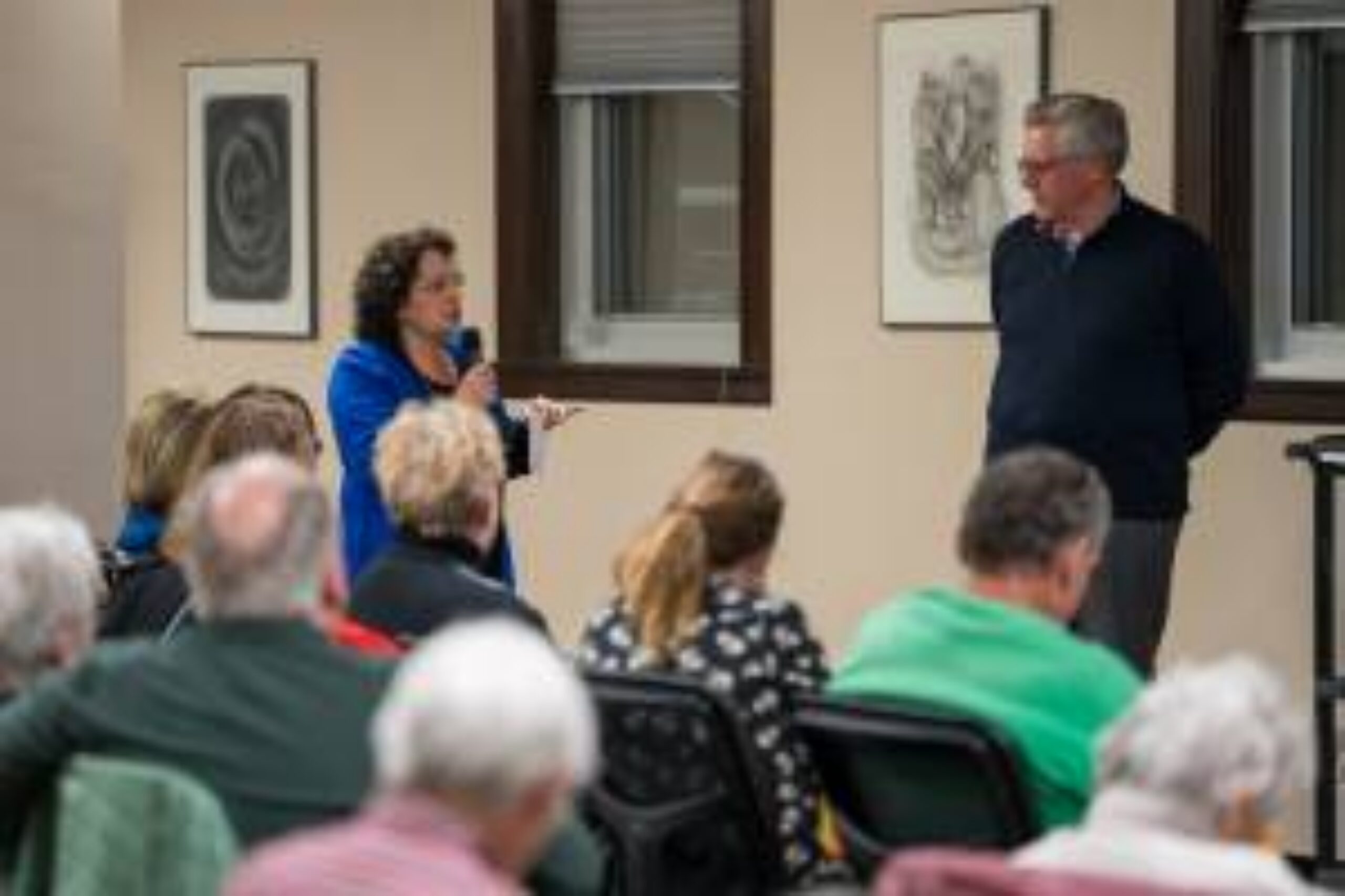
WaterLegacy Executive Director Paula Maccabee asked about mining issues, including attempts last session to repeal rules on reactive mine waste and sulfate pollution of wild rice waters.
MCEA CEO Kathryn Hoffman brought up the key issue of data centers, including the lack of transparency that has been an unfortunate hallmark of recent data center proposals.

Environmental Initiative Executive Director Mike Harley brought up the upcoming appropriations for the Environment and Natural Resources Trust Fund Community Grants program, which was successfully defended last session from a possible legislative raid.
Sierra Club North Star Chapter State Director Margaret Levin identified the People Not Polluters campaign as a key issue for our coalition and asked if legislators would be willing to hold a hearing on the issue of agency accountability.