Matt Doll, Minnesota Environmental Partnership
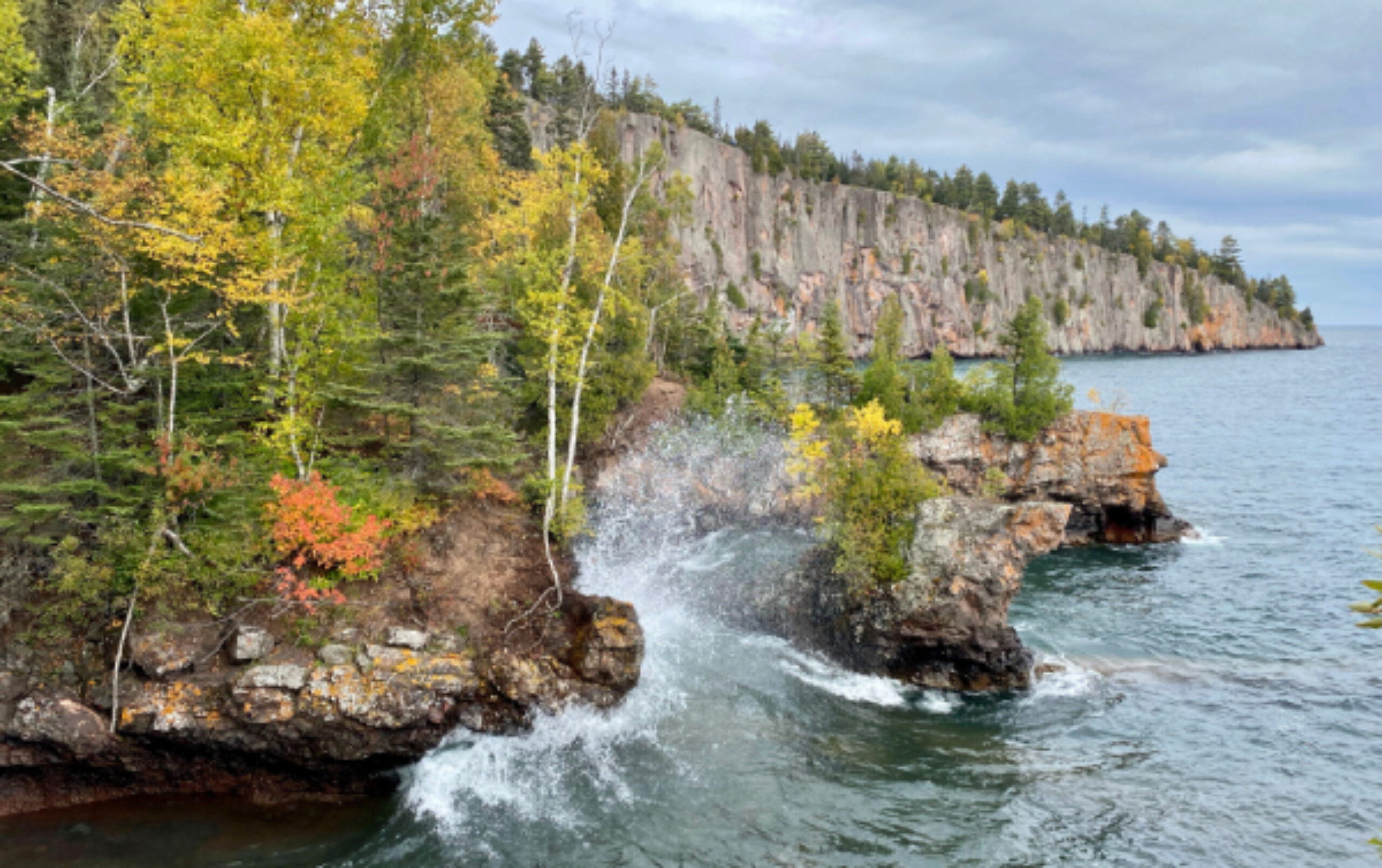
From the headwaters of Lake Superior, our “inland sea” may appear endless, a vast expanse of three quadrillion gallons of fresh water home to bountiful fish and other wildlife. But as issues like climate change and the destruction of topsoil show, no resource is infinite, including our Great Lakes.
Last Wednesday, the Alliance for the Great Lakes released a report describing serious risks to the continent’s greatest freshwater resource. It identifies emerging and expanding uses – including data centers, critical minerals mining, and agriculture – that will increasingly strain the Great Lakes and the aquifers that feed them.
The report also notes that current federal, state, and municipal laws are inadequate for addressing these emerging challenges. The Great Lakes Compact, which binds the eight Great Lakes states, provides a framework for states to cooperate on setting standards for water use and can serve as a basis for more protections. The Compact calls for all states to manage and conserve their water use, not just in the Great Lakes watershed but statewide. Even though just 3% of Minnesota is in the Lake Superior watershed, the Compact calls on Minnesota to conserve all of our water resources..
MEP agrees emphatically that current protections for our Great Lakes and our Minnesota groundwater don’t go far enough to protect them in the long term. We’ve expressed alarm about many threats that endanger the watershed, including invasive species, oil pipelines like Line 3, sulfide mining in Lake Superior’s headwaters, Midwestern nutrient pollution, and, above all, climate change. While our nation has made great strides at improving our Great Lakes basin – including the North Shore – through the Great Lakes Restoration Initiative, the impact of this progress will be limited if we don’t address these issues.
The emerging sector of hyperscale data centers is especially concerning given its high demand for water consumption. Minnesota recently passed a bill addressing some aspects of data center’s environmental permitting, but some MEP members argue that this legislation gives too much to the data center industry without imposing sufficient safeguards on their rapid growth.
Minnesota needs to get our Great Lakes water issues right. The Great Lakes flow out of our Northland, carrying impacts of what we do downstream to our east, just as the Mississippi does to the south. We have a responsibility – and an opportunity – to model best practices for water conservation, management, and research.