
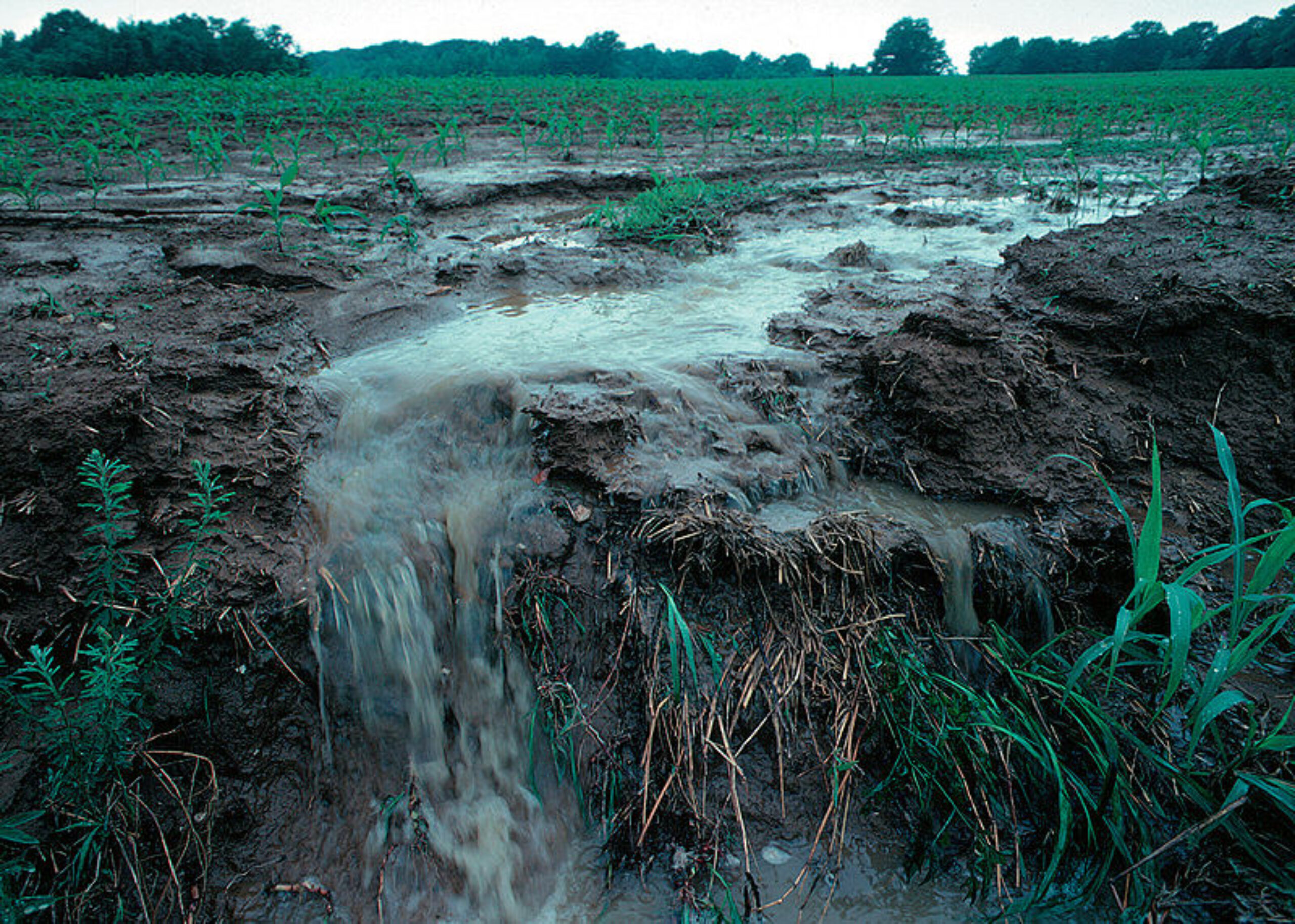
Minnesota’s 10,000 lakes, our mighty rivers, and the groundwater that supplies so many of our homes aren’t as clean as they used to be. One giant part of the reason: how we handle livestock manure.
Minnesota has so many cattle, hogs, chickens, and turkeys, mostly concentrated on large feedlots, that we produce 8.5 tons of manure per year for every human in the state. All that manure has to go somewhere, and most of it ends up on nearby fields as fertilizer. Because more than 50% of the state’s feedlots are within a mile of vulnerable groundwater areas, we end up with water that becomes unsafe to drink.
The good news: for the first time in 25 years, the Minnesota Pollution Control Agency (MPCA) is preparing to update its rule on animal feedlots, which includes how those feedlots manage their manure. This is a very rare and critical opportunity to have your voice heard to protect our water.
The MPCA is accepting comments and suggestions for the rule through July 22, and your voice can make a critical difference. The process is still in the early stages, so now is a great time to speak up!
If you care about clean water and sustainable farming, we encourage you to submit a comment on the draft rule by July 22. You don’t need to be an expert – you can use our sample message below or read it for inspiration! Some ideas you could ask for in a comment include:
- Lower the size for a feedlot operation to be required to apply for a water pollution permit. Currently, many feedlots skirt greater regulation by operating just under the permitting limit of 1000 animal units, this should be lowered to no more than 600 animal units.
- Require feedlots with those permits to closely monitor their manure discharges to protect nearby groundwater and streams.
- Set stricter limits on manure application to farm fields in vulnerable areas, like the heavily nitrate-polluted karst region in southeastern Minnesota.
- Change how multiple small feedlots with the same owner are regulated. Currently, an owner of multiple feedlots, even feedlots right next to each other, can skirt stronger regulations by keeping them as “separate” operations, though the total pollution is the same as a large feedlot.
- Require more rigorous reporting on manure transfers.
- Make more manure managing data and mapping available to the public, including information about digesters and manure spreading plans.
- You can find more information on this issue from MEP members Environmental Working Group, Land Stewardship Project, and Minnesota Center for Environmental Advocacy.
This chance to do so much good for clean water doesn’t come around every day. Let’s make sure the new feedlot rule protects Minnesota’s waters.
Sample message – you can submit what we’ve written here, but we encourage you to customize it with your own thoughts or mix-and-match to reflect your personal experience or priorities:
As a Minnesotan concerned about water quality in our state, I appreciate the MPCA’s work to update the animal feedlots rule and urge the agency to make it stronger. Large areas of the state, especially in vulnerable regions like southeastern Minnesota, are struggling with water quality issues caused by nutrient runoff, to which feedlot manure is a big contributor.
I ask that the MPCA take the following steps:
- Lower the size for a feedlot operation to be required to apply for a water pollution permit. Currently, many feedlots skirt greater regulation by operating just under the permitting limit of 1000 animal units, this should be lowered to no more than 600 animal units.
- Require feedlots with those permits to closely monitor their manure discharges to protect nearby groundwater and streams.
- Set stricter limits on manure application to farm fields in vulnerable areas, like the heavily nitrate-polluted karst region in southeastern Minnesota.
- Change how multiple small feedlots with the same owner are regulated. Currently, an owner of multiple feedlots, even feedlots right next to each other, can skirt stronger regulations by keeping them as “separate” operations, though the total pollution is the same as a large feedlot.
- Require more rigorous reporting on manure transfers.
- Make more manure managing data and mapping available to the public, including information about digesters and manure spreading plans.
Minnesota’s lakes, rivers, and groundwater have been getting more polluted every year. This is a chance to take a step in the right direction rather than continuing business as usual.