Matt Doll, Minnesota Environmental Partnership
Unless you’re a major polluting industry, the latest federal announcements on environmental regulations aren’t likely to fill you with holiday cheer.
Over the past few weeks, the Trump Administration has announced a number of proposed rollbacks to existing regulations meant to safeguard public health and environmental quality. Some industry special interests are celebrating the moves, but they’ll come at a detriment to the humans and the natural world we live in.
Wetlands
The EPA proposed in November to sharply reduce the number of wetlands that receive federal protection under the Clean Water Act, enabling the destruction and redevelopment of many of these aquatic ecosystems. That move would clearly harm the species that live in those wetlands. It would also hurt human communities who live nearby – as climate change makes flooding events harsher and more frequent, these wetlands’ role in absorbing and slowing floodwaters becomes even more important. And because these areas play an important role in the carbon cycle, their destruction means a worsened climate crisis.
Fortunately, states like Minnesota have some protections for wetlands that exceed federal standards, but harming wetlands in one area doesn’t cause isolated damage – the effects flow downstream. And we will be losing an important backstop for when state agencies drop the ball. For example, the federal Army Corps of Engineers rightly called out the inadequacy of the wetland destruction permit that the State of Minnesota issued to the Polymet Copper-Sulfide mine in the Lake Superior headwaters, stopping that project in its tracks.
Air quality
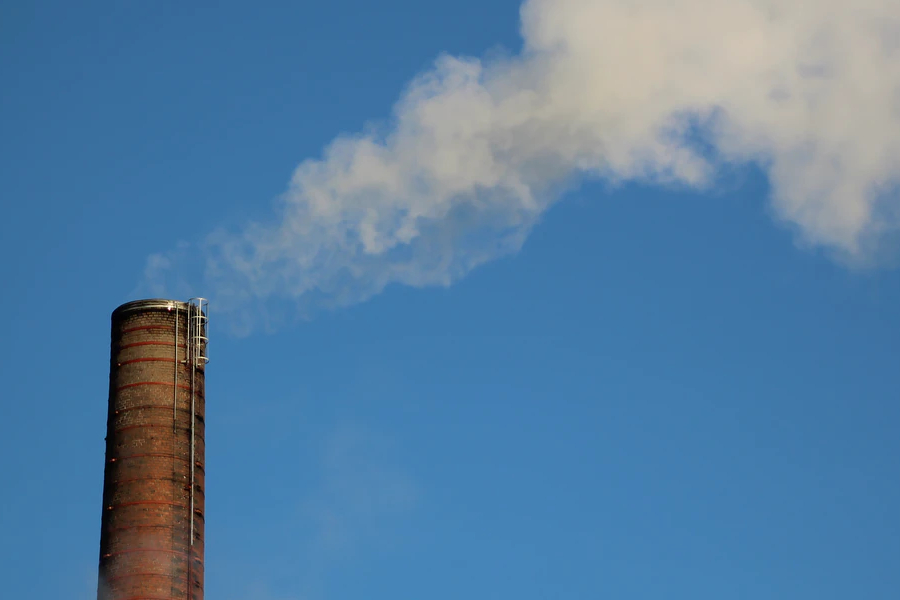
Also in November, the EPA announced that it is seeking to roll back a rule finalized last year that would increase protections against soot pollution from vehicles and industry. Soot is a major contributor to asthma symptoms, cancers, and other heart and lung conditions, especially in those living in frontline communities near polluting industries.
Endangered species
The Interior Department is proposing to eliminate broad protections for endangered species. This would include favoring “species-specific” rules, which would waste precious time to protect threatened wildlife at a time when extinctions and habitat loss have skyrocketed. This and other related rollback proposals threaten the ecosystems and food web that all species – including humans – depend on, and betray the spirit and the letter of the Endangered Species Act.
Clean cars
The Department of Transportation is moving to roll back the Biden Administration’s rules for vehicle fuel efficiency intended to reduce petroleum usage and air and climate pollution. The Trump Administration claims that the move is intended to reduce consumer costs for vehicles, but its more likely effect is to simply shift costs around. Even if the inflation of car prices were to slow now, increased fuel usage will still come out of drivers’ pockets, erasing any affordability gains. Regardless, the rise in electric and hybrid vehicles has sharply accelerated in recent years and seems likely to continue.
State policy matters more than usual
While some of the nation’s largest companies may celebrate fewer restrictions on their business model, these rollbacks – which may face court challenges – will push the social, environmental, and economic costs to the rest of us. Amid these regulatory failures to protect humans and nature, it’s more important than ever that Minnesota avoid any reversals to our environmental protections or climate action progress. We can’t afford not to stand up for our rights and a clean future.