
Matt Doll, Minnesota Environmental Partnership
On Wednesday, I had the privilege of attending a webinar hosted by MEP member Fresh Energy on a topic on the minds of many Minnesotans: now that Congress has passed its notorious “big budget bill” using reconciliation, what will be the impacts on our state’s growing clean energy economy?
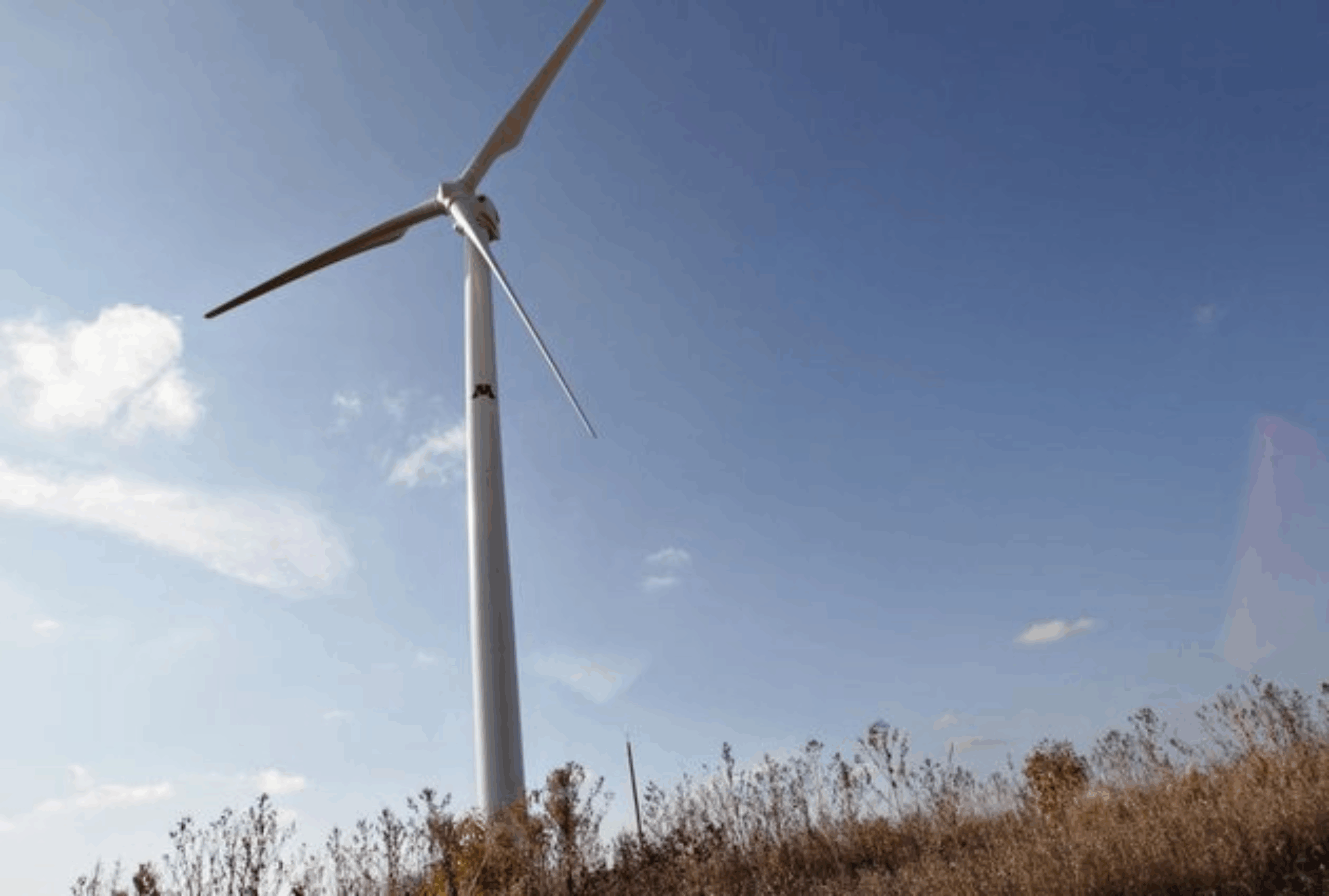
I won’t duplicate Fresh Energy’s excellent webinar, and I’ll recommend their blog post for those interested in the fine details. The bottom line is: the reconciliation bill means that clean energy – and electricity more broadly – will get more expensive, and will have less support to build. But it does not mean that clean energy progress will stop.
The reconciliation bill adds a sunset to many useful tax credits Congress has passed in recent years for things like wind turbines, solar panels, electric vehicles, and energy efficiency. These credits will still be around for varying amounts of time, but many will expire by the end of this year. If you want to upgrade your home for added efficiency, you may still be able to access federal credits, but it’s a good idea to act sooner rather than later. A few good provisions, like energy storage credits and programs to roll out clean school buses and Postal Service vehicles, remain intact.
But even if you weren’t looking at upgrading your home, these cuts will be bad for your bills. Efficiency is one of the most powerful tools we have to keep electricity costs down. Getting wind and solar on the grid is also a big help – without them, our power bills are vulnerable to price shocks from fossil fuels. In the same way, electric vehicle adoption helps keep transportation costs down for all drivers by reducing demand for gasoline.
The result of this law will be continued air pollution and slowed progress toward fighting climate change, a particularly visible problem in Minnesota right now as wildfire smoke gives way to intolerably hot, muggy temperatures. But it does not mean that Minnesota is stopping our own part of this fight.
As the Fresh Energy team has pointed out, Minnesota has passed our own big laws on climate action. We still have our 100% carbon-free electricity law, the Minnesota Climate Innovation Finance Authority, state solar power programs for public buildings and schools for electricity. We have a sustainable aviation fuel credit that can have a positive impact on both transportation emissions and water quality. 8% of the state’s vehicle sales in 2024 were electric. Minnesota remains a center of innovation to take on the climate crisis.
And as much as the big budget bill tries to claw back progress on clean energy to benefit fossil fuel companies, it can’t turn back the tide. The United Nations recently marked a positive tipping point for clean energy: the world is massively shifting toward wind, solar, and other renewable sources. 74% of electricity growth worldwide came from renewables last year.
At the close of the webinar, I was left with this: Budget cuts for clean energy are bad policy, but we won’t let them have the last word.