
Matt Doll, Minnesota Environmental Partnership
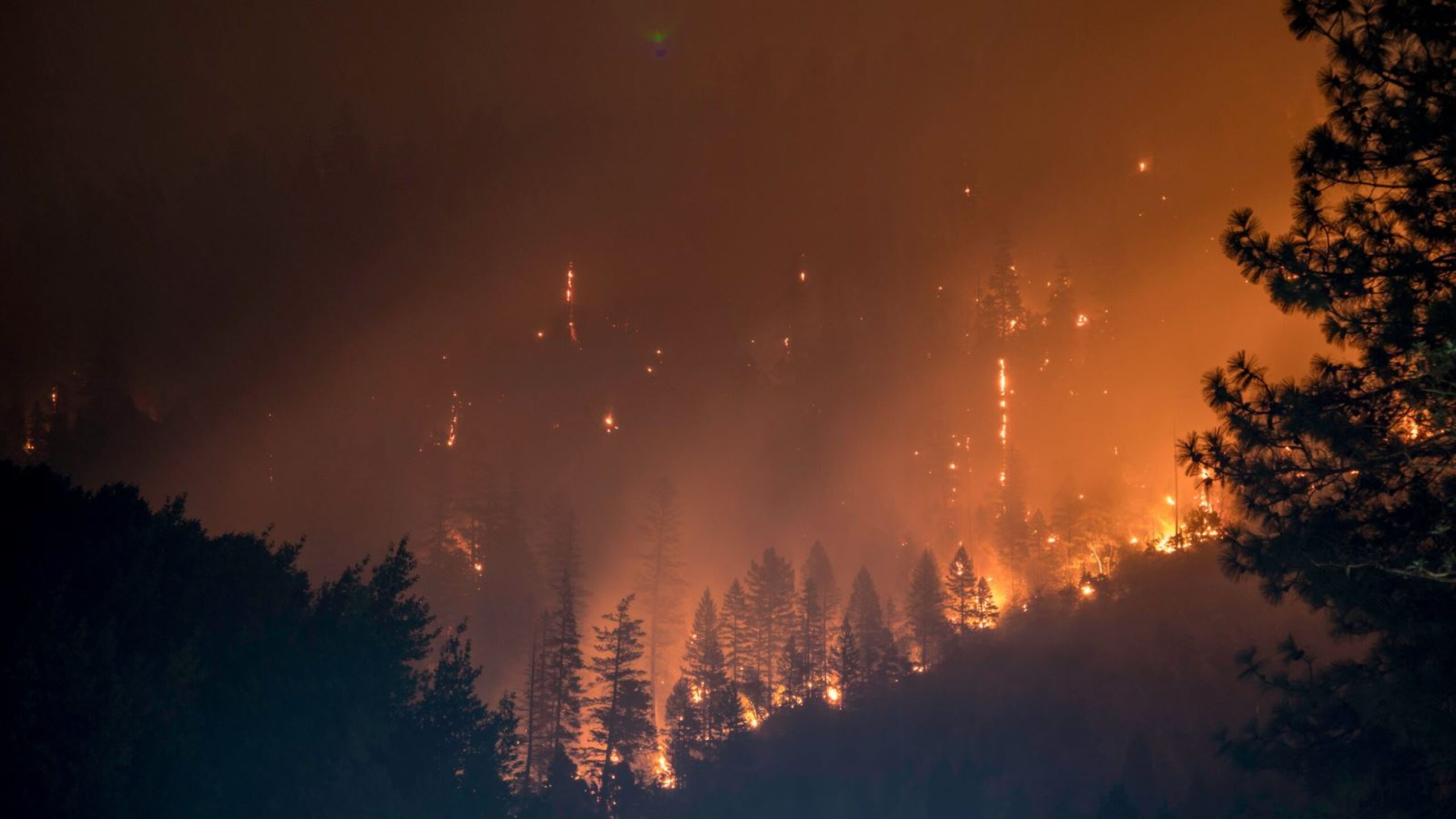
Two months ago, we covered the return of wildfire smoke to the skies across all of Minnesota, an event that pushed parts of the state into the worst air quality levels recorded on the planet at the time. This week, and on several occasions throughout the summer it seems, we all experienced déjà vu. For many Minnesotans with heart or lung conditions, the very act of going outside became dangerous. As of this writing, air quality in the Twin Cities is moderately polluted, but still not back in healthy territory.
I won’t duplicate the same length of content – about climate action, forest management, and the end of the Minnesota Legislative session – in that late May column. Since then, the Legislature has concluded its special session, and did unfortunately pass cuts to Metro Transit, though many bad provisions on clean energy were blocked.
But I’ll note that in July, six members of Congress, including Minnesota Representatives Tom Emmer, Brad Finstad, Michelle Fischbach, and Pete Stauber, wrote a letter to the Canadian embassy asking our sovereign neighbor to the north to complain about the effects of smoke from Canadian wildfires on Minnesota and Wisconsin. Canadians are suffering direct wildfire impacts much closer to home, with many having to evacuate.
The smoke letter doesn’t come with any particular diplomatic force, arriving as it does during something of a low point in Canada-U.S. relations. It does not mention that Canadians themselves are suffering from wildfire impacts much closer to home, with many having to evacuate. But it also illustrates the problem with an approach to wildfire smoke that ignores the reason it’s on the rise.
The letter references forest management and arson as key drivers of increased forest fires over the past few years. Those may be contributing factors, but to be clear, the Canadian boreal forest is over a million square miles in area, the largest intact forest on Earth. It’s too big to be micromanaged, and it’s highly susceptible to drought and heat waves that have become increasingly common as the planet has warmed.
Not once in the letter do the authors mention climate change or efforts to mitigate it. That’s a real missed opportunity, because the United States and Canada are both big contributors to this crisis. Both countries are in the top 20 per-capita emitters of greenhouse gases, with car-centric, fossil-fueled economies. Canada’s tar sands are the notorious source of some of the dirtiest-burning, most carbon-intensive oil on Earth, much of which is carried through Minnesota via pipelines like Line 3.
Wildfires appear to be here to stay in both the U.S. and Canada, but that doesn’t mean we can’t help slow their rise by acting now to limit climate change. Everything we do today will have repercussions for our children and grandchildren’s chance to breathe healthy air. To protect their future, we need more than hot air and letters – we need climate action.