
Matt Doll, Minnesota Environmental Partnership
This week, the Minnesota Pollution Control Agency released a report outlining the steep costs – measured in the tens of billion dollars annually – that Minnesotans will end up paying if the state does not invest in climate change adaptation.
The report, which was provided to the Minnesota Legislature, details the expected threats to human health, infrastructure, agriculture, ecosystems, and other sectors should the state adequately adapt. It also provides information that policy makers can use to inform their decisions on investing in adaptation.
For those of us who have been active on climate issues for some time, this report’s findings may be unsurprising. We know that rising global temperatures will carry heavy costs for the entire planet. Minnesotans have witnessed drought, flood, wildfires, and weather whiplash all within rapid succession. It makes our economy and the lands and waters that give us life far less predictable.
But failing to act on climate isn’t just the cheaper choice in the long run – it’s cheaper in the short term as well, as a real-time demonstration shows us.
The chaos in the Strait of Hormuz amid the war between the United States and Israel on one side and Iran on the other has shocked global fossil fuel markets. Crude oil, fertilizer, and natural gas exports have all been disrupted. U.S. consumers are already paying higher prices for gasoline, but the longer the conflict continues, the more the prices of other goods will be affected.
The present crisis makes it clear just how vulnerable the global petrochemical supply chain is to disruption. While the U.S. is a net exporter of oil and produces plenty of natural gas, prices are subject to global markets. Consumers here are bidding against consumers across the entire world. If a strait closes or a pipeline or key facility faces an unplanned shutdown, everyone reliant on an economy that depends on those resources is impacted.
Not every country is affected the same way, however. China appears better-equipped than most countries to handle this crisis. One major reason is its unprecedented investment in renewable energy, which now accounts for about a third of its energy consumption, and the world’s largest electric vehicle industry.
Meanwhile, U.S. electric vehicle sales have slowed, and the federal government is busy forcing uneconomical coal plants to stay open.
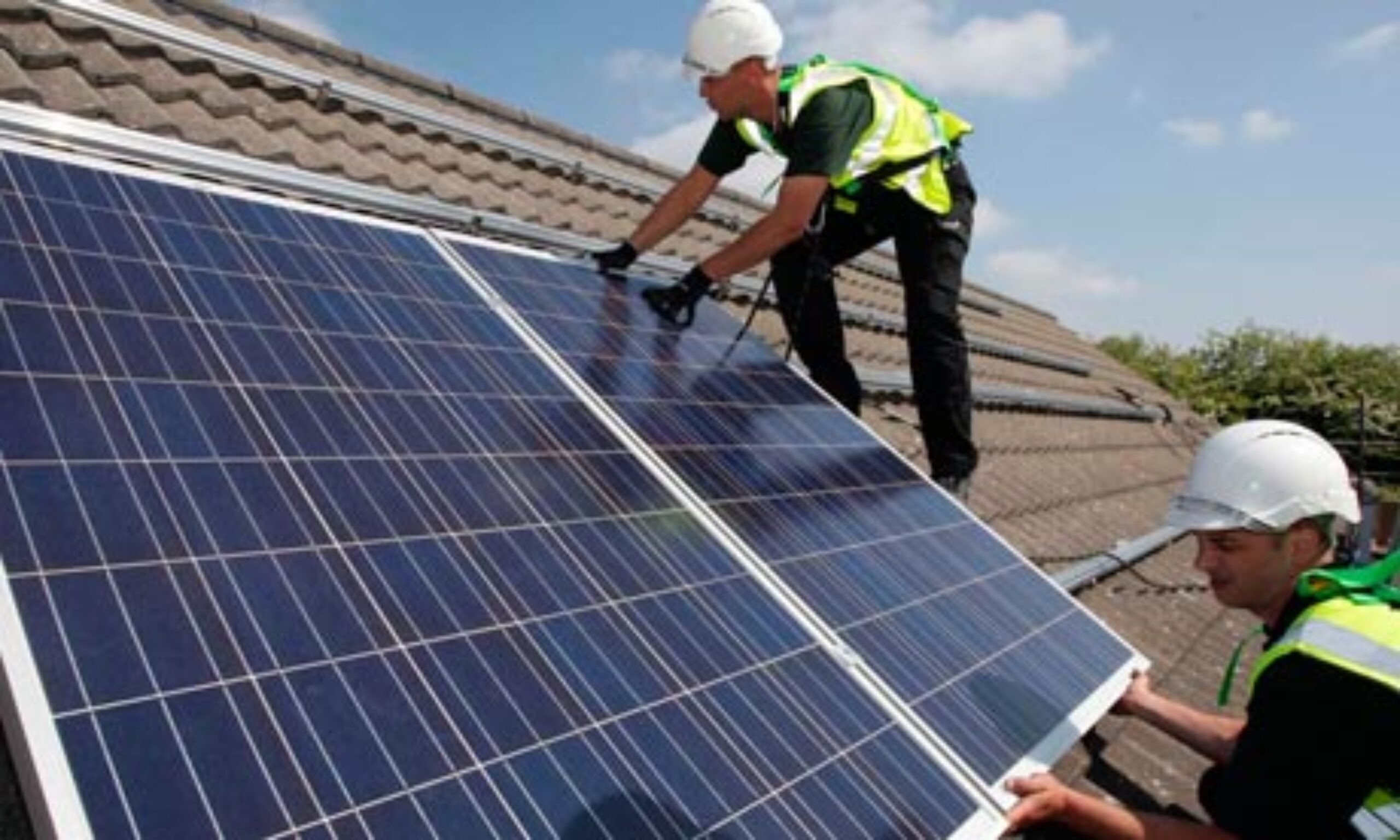
Gone are the days where solar, wind, electric vehicles, heat pumps, and other related technologies are the expensive cutting edge. They are now our most valuable tool for insulating our wallets and our economy from volatile fossil fuels. Other tools like pro-density land use, public transit, and keeping our wetlands and forests protected are tried, true, and necessary.
The numbers make it clear: to save money both in the short and long term, Minnesota must invest now in both adapting to climate change through resilient ecosystems and communities and advancing the technologies that mitigate it. Minnesota’s part in reducing climate change may be small in the grand scheme of the world economy, but we can act as a model. Our successes can have ripple effects far beyond our borders. And our children and grandchildren will thank us for not saddling them with the high bill of inaction.