
Matt Doll, Minnesota Environmental Partnership
As of this writing, the U.S. Senate has not yet voted on a joint resolution that would strip away significant federal protections against sulfide ore mining for the Boundary Waters watershed, but may do so within the next few days or weeks.
The joint resolution, passed already by the U.S. House of Representatives and sponsored by MN Rep. Pete Stauber (R-08), would leverage the Congressional Review Act in an unprecedented way to reverse the 20-year ban on most mining in the watershed of the Boundary Waters Canoe Area Wilderness put in place by the Biden Administration.
This resolution would primarily benefit the proposed Twin Metals mine, which would be built near Ely on Superior National Forest land. It would not ensure Twin Metals would be constructed, but it would go a long way toward reviving the project, which stalled out with the moratorium. Twin Metals would still need to go through state and federal permitting processes, though the federal environmental agencies are unfortunately not as protective as they once were.
Simply put, mining copper and nickel sulfide ores in water rich environments like those near the Boundary Waters is a bad idea for people and clean water. This type of mining has never been done without polluting surrounding ecosystems. Sulfide ore waste is highly reactive, and combines with water to form toxic sulfuric acid. If that acid reaches a body of water, it can permanently contaminate it.
In an interconnected watershed like the Boundary Waters, that contamination would spread catastrophically. The same is true in other parts of Northern Minnesota, including the headwaters of Lake Superior – where the New Range mine (formerly PolyMet) has been proposed – and the Mississippi River.
Minnesotans fight back
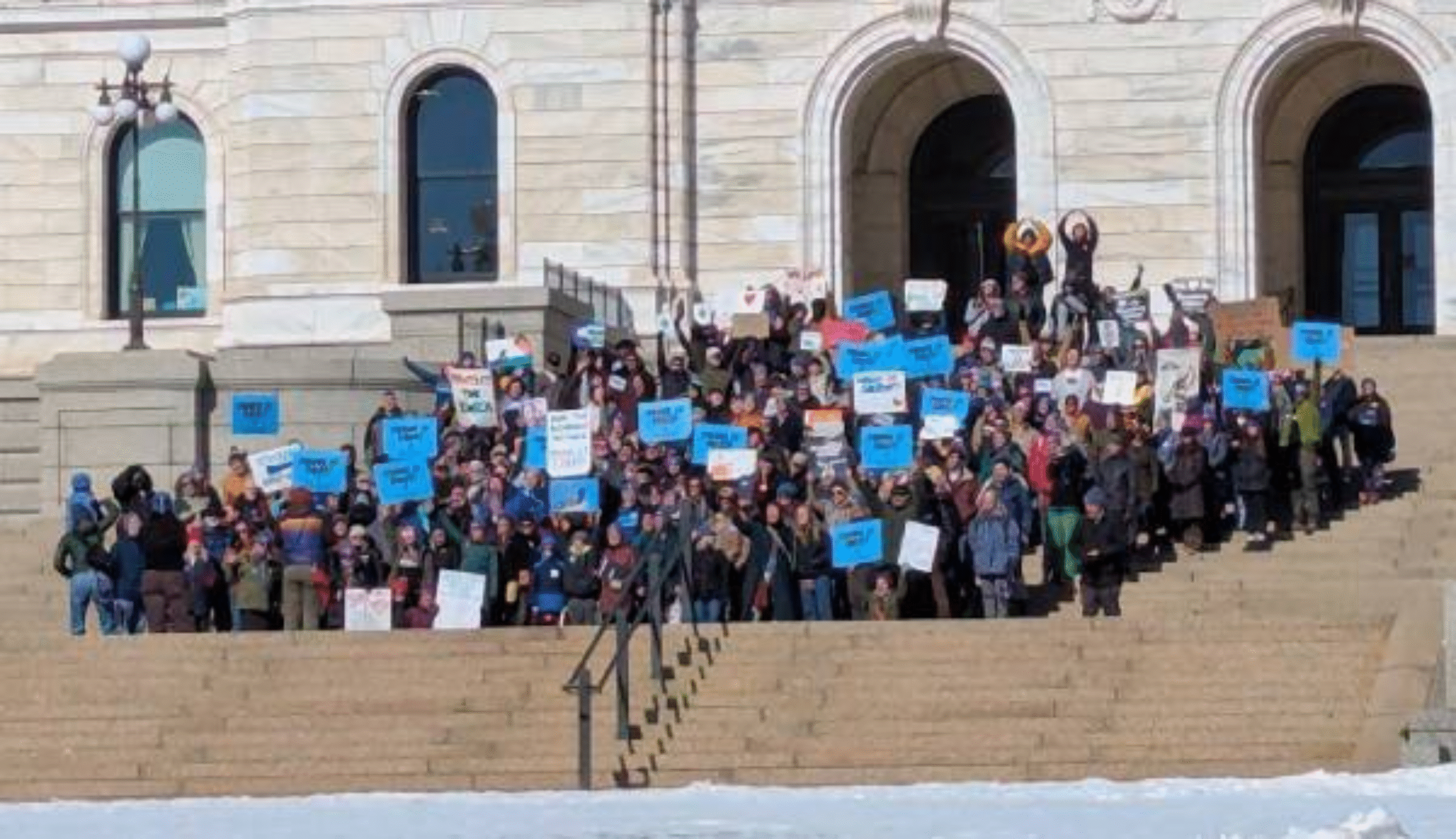
The members of Congress who have voted to end the Boundary Waters watershed mining moratorium might be in the good graces of Twin Metals’ wealthy Chilean owners, but they’re not in step with Minnesotans. Most Minnesotans oppose opening the Boundary Waters watershed to sulfide mining, and at a State Capitol rally on Thursday, many of them came out to show it.
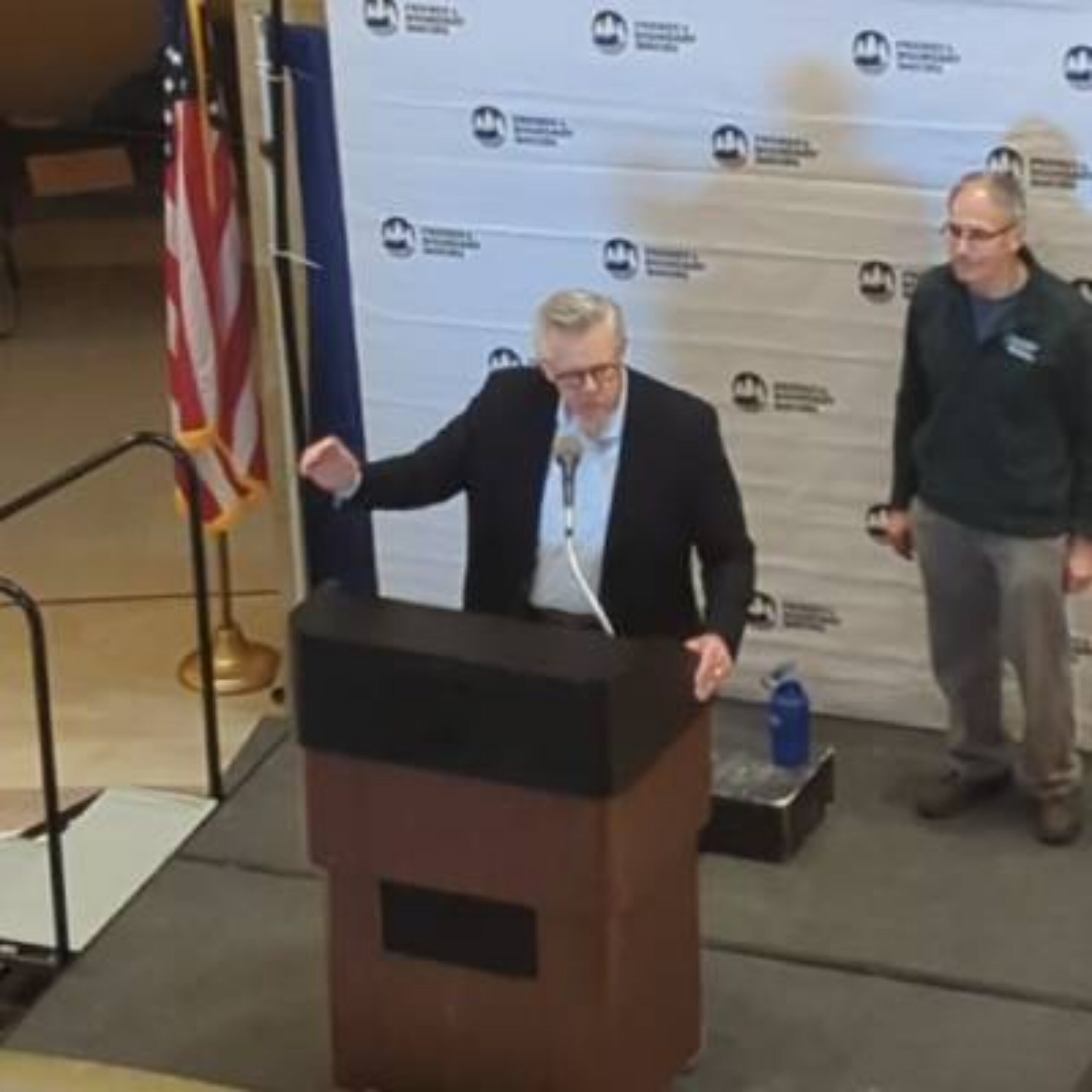
The rally, sponsored by Friends of the Boundary Waters Wilderness, packed the Capitol rotunda with supporters of clean water. Rally speakers included Legislators Rep. Alex Falconer (DFL-Eden Prairie) and Sen. Jen McEwen (DFL-Duluth), who spoke about their efforts to pass laws protecting our northern waters from mining pollution. McEwen also emphasized that Minnesota can no longer count on federal agencies acting as a safety net when our own environmental agencies fail to adequately protect our waters – Minnesotans have to protect our own waters.
The speakers also included the owners of small recreation-based businesses near the Boundary Waters who depend on clean water and wilderness for their livelihood and jobs in their community, which would be threatened in the name of mining.
MEP Executive Director Steve Morse was another speaker. He pointed out that state agencies have indeed failed to adequately address mining pollution. In the case of PolyMet, he said, the Fond du Lac Band of Chippewa and environmental organizations sued successfully to block defective permits that would have violated pollution laws on the books. Morse added that over the past few months, Minnesotans have shown we can and will stand up to defend our state.
MEP is proud to be in this fight. We’re supporting policies including permanent protection for the Boundary Waters watershed, a “prove-it-first” policy to require that mining permitting statewide be governed by sound science, requirements for mining companies to put up financial assurance for the risks their mining would cause, and a ban on companies with a history of corruption and human rights violations from mining in Minnesota. We also joined the Friends of the Boundary Waters in calling for the Minnesota DNR to cancel Twin Metals’ mineral leases given federal failure to protect our waters.
At the same time, we’re counting on ordinary people to step up at this moment. You can help by contacting your Legislators to ask them to support state protections for our northern watersheds. You can also urge your friends in other states to contact their U.S. Senators and ask them to oppose House Joint Resolution 140. We may not win every fight against this dangerous type of mining, but neither will we back down. To protect our clean water, we must keep paddling forward.